By Ines Reinhardt on August 25, 2026

When the summer holidays end, a particularly important phase begins for many coworking spaces: members return from vacation, teams plan new projects, day guests book workspaces more frequently again, and spaces that were closed or only partially open during summer resume regular operations.
For operators, this is the ideal moment to not just "power the space back up," but to deliberately prepare it for a productive, smooth, and positive return. After a quieter summer phase, small weaknesses tend to surface quickly: empty supplies, outdated access credentials, printers that don't work, unclear booking situations, or missing communication.
In this article, we show how the back-to-work start can go smoothly for members, guests, and your own team.
1. Check the Space Before the Big Return Day
Before the first members show up with their laptop, coffee, and a full inbox, a thorough walkthrough is worthwhile. After several weeks of reduced occupancy, or a complete closure, the restart often affects several areas at once.
Key points to check:
- Check workstations: Are desks, chairs, monitors, and docking stations ready to use?
- Inspect meeting room technology: Do displays, cameras, speakers, and booking systems work?
- Test WiFi: Is the connection performing well?
- Validate access systems: Do locking systems, access cards, and guest codes work?
- Prepare common areas: Are the kitchen, lounge, and phone booths clean and stocked?
- Restock supplies: Coffee, tea, paper, toner, soap, and cleaning products should be available.
Spaces that were closed during the summer in particular should not wait until the first full operating day to test their technical systems. Small failures can usually be fixed quickly if discovered in time.
2. Get Technology and Infrastructure Back Up to Speed
After a quieter phase, technical issues often only surface once many people are working simultaneously again. That's why you should actively test key systems in advance.
This includes:
- Internet and network: Check speed, stability, and coverage throughout the space
- Print infrastructure: Test printers, paper trays, toner levels, and print release
- Room booking systems: Check availability, calendar syncing, and displays
- Access systems: Update member permissions, opening hours, and temporary access
- Billing systems: Check memberships, pauses, cancellations, and new bookings
Print infrastructure in particular is often underestimated in daily operations. After the holiday period, demand typically rises significantly again: contracts, presentations, workshop materials, invoices, or shipping documents need to be printed quickly and reliably.
Members should be able to print from their own laptops and phones without you setting up every device by hand. That's what ezeep does. It removes the manual endpoint work, cuts support tickets, and keeps the printing experience professional for everyone using the space.
3. Actively Welcome Members Back
The back-to-work moment is also a communication opportunity. Many members reorganize after their vacation, plan their work routine, and decide how often they want to use the space.
A friendly welcome message can help make the space visible and relevant again.
Possible content for a back-to-work message:
- Opening hours and services: What applies as of now again?
- New offerings: Are there new rooms, plans, events, or community formats?
- Important notices: Have there been changes to access, booking, or equipment?
- Productivity tips: Which areas are suited for focus work, meetings, or team days?
- Community impulses: What events or networking opportunities are coming up?
A short newsletter, a post in the community app, or a notice in the entrance area is often enough to provide orientation.
4. Plan Bookings and Capacities Ahead of Time
After the holiday period, not all members return at the same pace. Some come back daily right away, others start with individual in-office days. At the same time, demand for meeting rooms often increases, as teams run workshops, kick-offs, or planning meetings after the summer break.
That's why it's worth checking early:
- Which days are likely to be especially heavily booked?
- Are meeting rooms sufficiently available?
- Are there bottlenecks with phone booths or focus seats?
- Do opening hours need to be adjusted?
- Should additional day passes or team offers be promoted?
If certain days are regularly heavily used, targeted communication can help distribute usage more evenly, for example, by pointing to quieter days or offering attractive deals for less busy time slots.
5. Simplify Onboarding for New and Returning Members
Late summer and early fall are also a period when many coworking spaces see a wave of new members. Companies launch new projects, freelancers restructure their work routines, and teams look for flexible workplaces.
Smooth onboarding is therefore especially important.
This includes:
- Clear welcome materials with the most important information
- A short space tour for new members
- Simple access instructions for doors, WiFi, and booking systems
- Transparent rules for meeting rooms, guests, and shared areas
- Quick help with typical questions about printing, WiFi, or bookings
Returning members also benefit from a small "refresh." If anything has changed over the summer, it should be actively communicated.
6. Reactivate Community Offerings Strategically
After summer is a good time to bring the community back together more strongly. Many members appreciate low-key formats to get back into their work rhythm and refresh connections.
Suitable formats include, for example:
- Back-to-work breakfast for members and guests
- Lunch & learn on productivity, AI, or remote work
- Community coffee on the first Monday after the holidays end
- Member pitch session for new projects
- Workshop days for teams and companies
Such offerings don't need to be large or elaborate. What matters is that they create a reason to come back to the space and activate the community.
7. Prepare Your Own Team
It's not just members returning from vacation. The space's own team also needs to adjust to higher occupancy, more inquiries, and more operational tasks after the summer phase.
A short internal back-to-work briefing helps get everyone on the same page.
Topics for the team update:
- Current occupancy and expected peak times
- New members, cancellations, or plan changes
- Changes to processes or tools
- Status of technology, printers, and rooms
- Planned events and community activities
- Support cases that might arise after the break
The better prepared the team is, the more confidently the space performs day-to-day.
8. Make Small Improvements Visible
If the space was renovated, redesigned, or technically upgraded over the summer, that shouldn't go unmentioned. Members notice improvements more strongly when they're actively pointed out.
These can be small things:
- New seating areas
- Improved acoustics
- More phone booths
- New monitors
- Faster, more stable WiFi
- Easier printing
- New coffee machine
- Updated meeting room technology
A short "what's new?" communication makes it visible that the space is continuously evolving. This strengthens the perception of quality and professionalism.
9. Collect Feedback Early
The restart after the holiday period is a good moment to gather feedback. After a break, members often experience the space with fresh eyes and notice things that easily get overlooked in daily routine.
Possible questions:
- What currently works particularly well?
- Is there any friction in the daily work routine?
- Which services are missing or should be improved?
- How satisfied are members with WiFi, meeting rooms, and printing options?
- Which community formats would they like to see in the fall?
A short email, a QR code in the space, or personal conversations at the reception desk can already provide valuable insights.
Practical Back-to-Work Checklist for Coworking Spaces
A compact checklist for the restart after the summer break:
- Conduct a space walkthrough
- Check workstations and meeting rooms
- Test WiFi, access systems, and booking tools
- Check printers, paper, and toner
- Inform members about opening hours and updates
- Onboard new and returning members
- Plan meeting room capacities ahead of time
- Organize a community event for the restart
- Prepare the team internally for increased demand
- Actively collect and evaluate feedback
Conclusion: A Good Restart Begins Before the First Full Day
The period after summer holidays is an opportunity for coworking spaces to re-engage members, improve processes, and position the space as a productive workplace.
Those who prepare technology, communication, community, and services in time create a significantly better experience for members and guests. Services like WiFi, room availability, and printing in particular should work reliably, since members notice them immediately in their daily work.
Printing is often the hardest of these to keep running smoothly once everyone is back at once, with different devices, drivers, and access needs to manage. This is the part ezeep takes off your hands: members print from their own devices without extra setup, support tickets drop, and the space looks professionally prepared from the first day back.


The Perfect Member Journey: From First Tour to Week 4
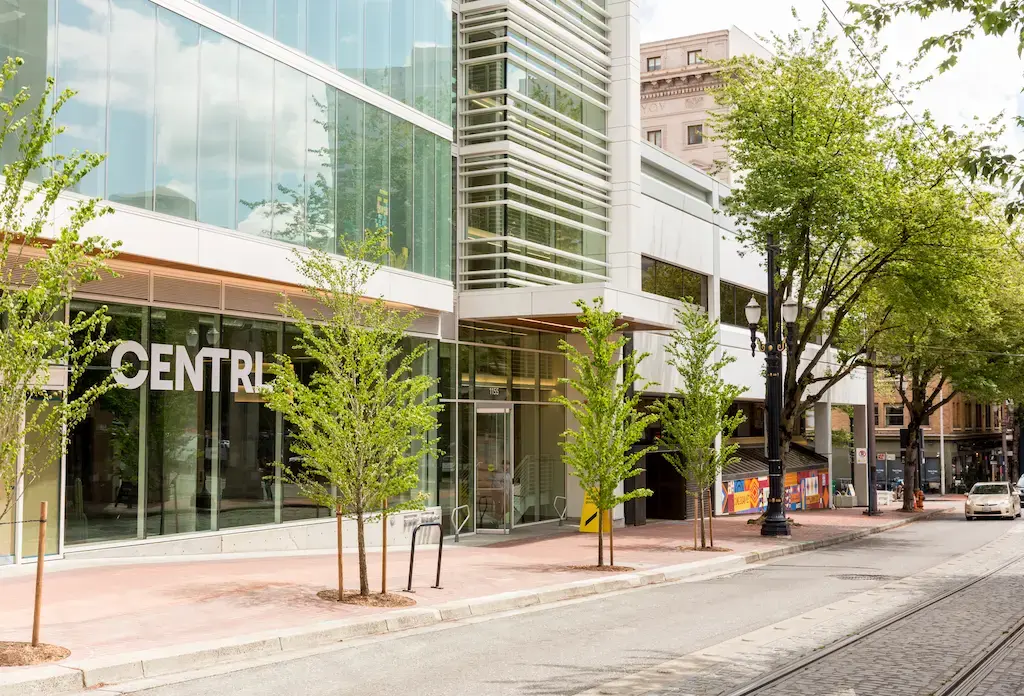
How CENTRL Office Scales Local Hospitality Across Locations