By Ines Reinhardt on July 6, 2026

Running a coworking space means having stories to tell and we've collected a few real gems.
There are moments in the coworking day-to-day that no handbook could ever predict. The moment a member casually asks whether they can bring their dog, their cat, and their parakeet. Or when someone discovers the shared kitchen and decides it's the perfect spot for their personal fermentation project.
We got curious: what are the most unusual things coworking operators actually experience? And how do you handle them, without alienating your community or watering down your concept?
First things first: Why do unusual requests happen at all?
For many members, a coworking space is more than just a place to work. It's a retreat, a social network, sometimes even a home away from home. The more comfortable someone feels, the more of themselves they bring along, literally and figuratively.
That's actually a compliment. But it raises real questions for operators: Where does hospitality end? Where does chaos begin?
When the Fig Tree Moves In: A Story from Berlin
Sometimes it's not about whether you say yes. It's about making sure that yes actually works.
Christina Hotzel, Coworking Space and Community Manager at Rooftop Office in Berlin, knows this from personal experience:
"A member wanted to bring in his 40-year-old fig tree. Sounds unusual at first, but I always make sure everyone feels at home. Since a banana plant had once triggered the motion alarm while unfurling its leaves, we had to make sure a falling leaf wouldn't set it off. So my IT colleague and I did what had to be done: we played dancing tree ourselves. The good news: the tree moved in."
We love this story. Not just for the mental image of Christina impersonating a fig tree in the middle of a coworking space. But because it perfectly captures what great community management is really about: not reflexively saying no, but creatively making yes possible.
A 40-year-old fig tree isn't a problem. It's a character. And spaces with character are built from exactly these kinds of moments.
The Requests We All Secretly Smile About
Christina's fig tree is far from a one-off. From the coworking community, we've heard plenty more:
The Pet Dilemma: Dogs are welcome in many spaces these days. But where do you draw the line? Cats? Rabbits? A member who brings their parrot to a video call, muted, of course?
The Kitchen Question: The shared kitchen is the most emotionally charged territory in any coworking space. Fish in the microwave at 9 a.m. Fermented vegetables that have been "almost ready" for weeks. A personal espresso machine sitting next to the communal one like a silent act of protest.
The Mobile Interior Designer: Some members arrive with more than a laptop. Their own monitors, their own lamp, their own plants. Sometimes with the ambition to turn a flex desk into something that looks like a private office from back in the eighties.
The IT Enthusiast: "I'll just quickly connect my server." Sounds harmless. Usually isn't. Personal hardware on the network, private Wi-Fi hotspots, green screen setups that take over half the room. Creative minds need infrastructure, but sometimes they also need clear boundaries.
The Wellness Pioneer: Yoga mat in the hallway. Aromatherapy diffuser on the desk. A cold shower after the morning run, in a space that technically doesn't have a shower, but somehow does. When your coworking space becomes your second home, your entire morning routine comes with it.
What We've Learned (or Can Learn)
No request is inherently wrong. But not every request fits every space, and that's perfectly fine.
The operators who handle these situations best tend to have one thing in common: a clear sense of who their community is and who it isn't. Not as exclusion, but as direction.
A few thoughts that can help:
Listening pays off: Behind every unusual request is a real need. Sometimes it's a hint at an offering that doesn't exist yet.
Rules can be human: A house policy written with a sense of humor gets more respect than one written in legalese.
Let the community weigh in: Questions like "dogs yes or no?" are often better resolved together than handed down from above.
Quirky requests can become business ideas: The podcast studio, the pet-friendly zone, the nap lounge: many successful offerings started as an unusual ask.
And sometimes you just have to play the dancing fig tree so that everyone ends up happy.

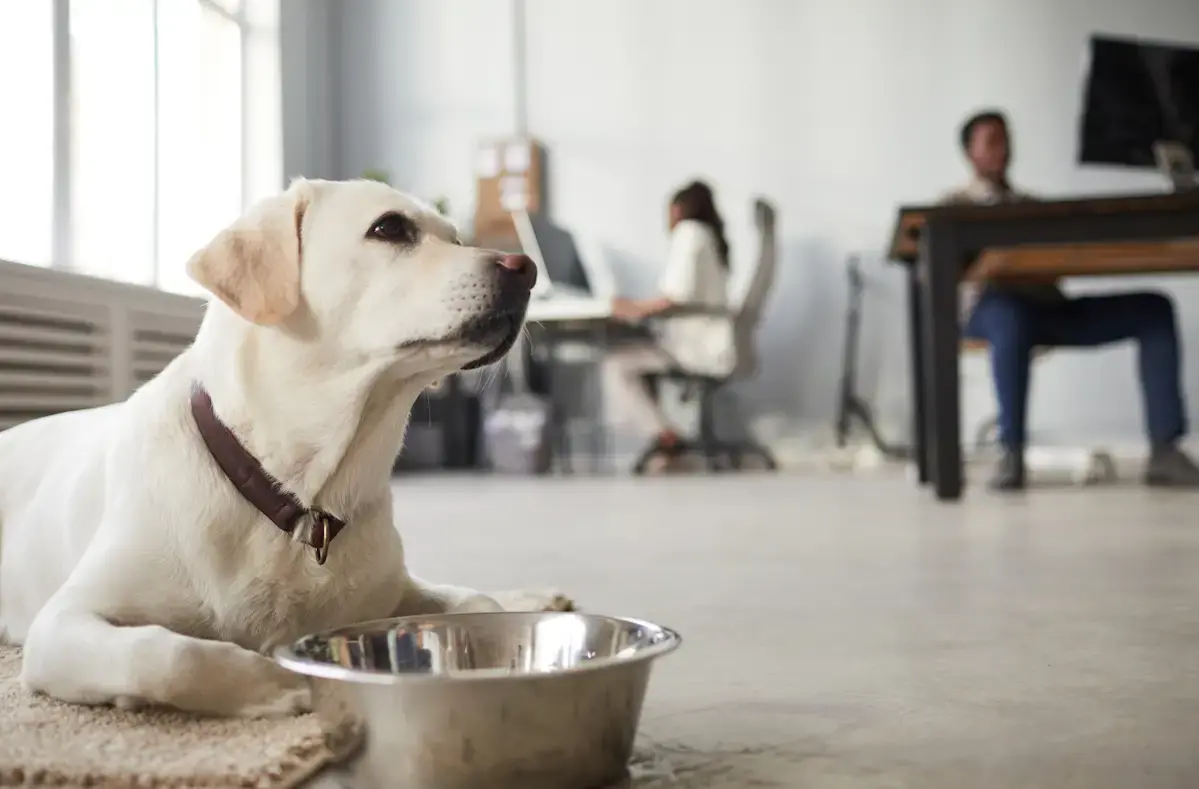
The Pet-Friendly Coworking Space: Opportunities, Risks, and Tips
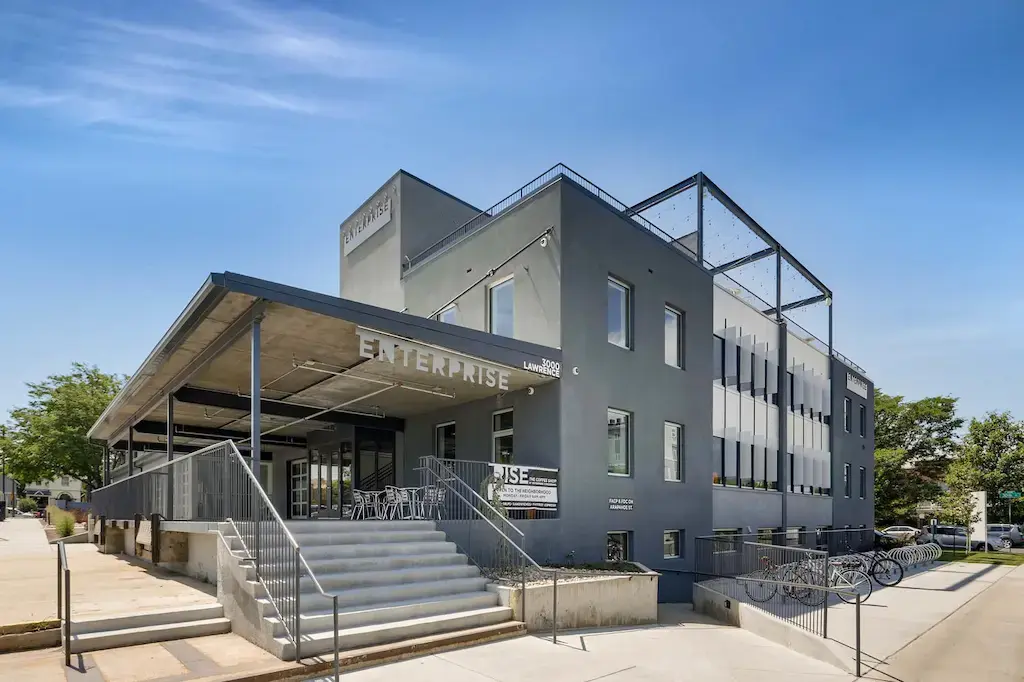
From One Founder to Another: Inside Enterprise Coworking